
How to measure AI search visibility: metrics, tools, and a simple dashboard
June 29, 2026 · 6 min read
Most owners doing GEO work fly blind. They publish, hope, and never learn whether ChatGPT actually started recommending them. This guide fixes that with four concrete metrics and a dashboard simple enough to run in a spreadsheet.
Key Takeaways
- Track four things: citation frequency, AI referral sessions, AI-attributed conversions, and branded-search lift.
- AI referral traffic is already measurable in analytics, and those visitors convert about 3x better than typical organic (SEOProfy, 2026).
- With US zero-click at roughly 68% in 2026, on-page answers and citations matter more than raw click volume (SparkToro, 2026).
Why is AI visibility hard to measure?
Because there's no "Search Console for ChatGPT" yet. AI answers are generated fresh each time and rarely pass a clean referral, so the old habit of watching rankings doesn't capture them. With US zero-click search near 68% in 2026, a growing share of your visibility never produces a tracked click at all (SparkToro, 2026).
The fix is to triangulate. No single number tells the story, but four together give you a reliable read. For the strategy these metrics support, start with our complete guide to GEO.
Metric 1: Citation frequency
Citation frequency is how often your brand gets named when you ask AI tools the questions your customers ask. It's the closest thing to a "ranking" in AI search. You measure it by prompting, manually or on a schedule, and logging the result.
Build a list of 15 to 25 real customer questions for your category. Each week, ask them in ChatGPT, Gemini, and Perplexity, and record whether you're mentioned, where, and how accurately. Over a month you'll see a clear trend line.
Metric 2: AI referral sessions
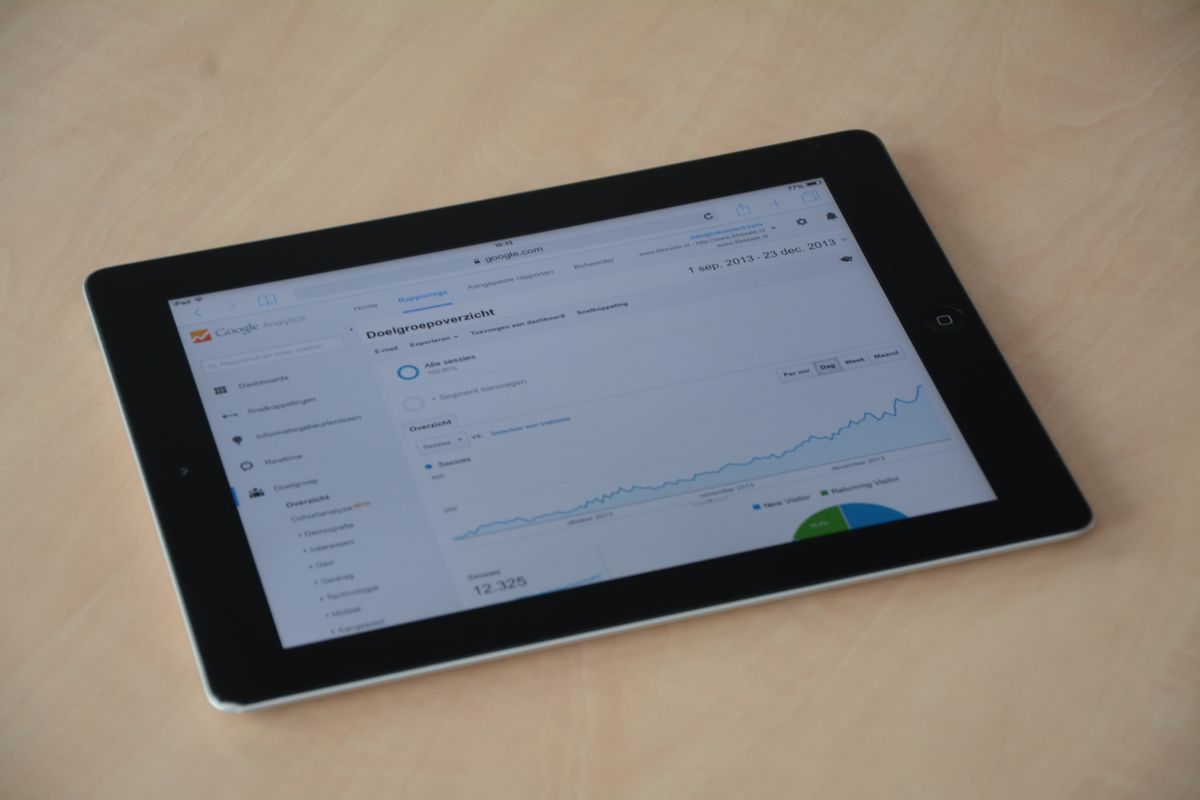
Some AI answers do link out, and those clicks show up in your analytics. In GA4, filter traffic by source for chatgpt.com, chat.openai.com, perplexity.ai, gemini.google.com, and copilot.microsoft.com. Group them into an "AI assistants" channel and watch the trend.
This is the most objective signal you have, real people arriving from AI tools. Even modest numbers matter because of who they are, not how many. Those visitors convert at roughly 3x the rate of standard organic traffic (SEOProfy, 2026).
Metric 3: AI-attributed conversions
Traffic without outcomes is a vanity metric. Tag your AI channel in GA4 and track how many of those sessions complete a goal: a form, a call, a booking, a purchase. This is the number that connects GEO to revenue and justifies the investment.
If your AI sessions are small but convert well, that's a signal to do more GEO, not less. The audience is qualified. For the tactics that grow this number, see how to get cited by ChatGPT.
Metric 4: Branded and direct search lift
When AI engines mention you, a second-order effect follows: people look you up directly. Watch your branded-query volume in Search Console and your direct traffic in analytics. A steady climb after you start GEO work is a strong sign it's landing, even when the citation itself didn't pass a click.
This is why "fewer clicks" isn't the whole story. Being the named answer builds recognition that shows up later as direct visits. We unpack that dynamic in zero-click search for small businesses.
How do you put it together in a dashboard?
Keep it boring and consistent. A simple spreadsheet with five tabs beats an expensive tool you never open. Track these weekly:
- Citations: your prompt list, with a yes/no and notes per assistant.
- AI sessions: weekly total from your GA4 "AI assistants" channel.
- Conversions: goals completed from AI sessions.
- Branded search: weekly branded impressions and clicks from Search Console.
- Direct traffic: weekly direct sessions.
Review it every Monday. Four weeks in, you'll know what's working. For where these metrics fit against classic rankings, compare with GEO vs SEO in 2026.
Prefer a done-for-you dashboard and monthly reporting? BeMySEO tracks AI visibility for clients across the US and Latin America. Book a free audit to see your current baseline.
Frequently asked questions
Is there a tool that tracks AI citations automatically?
A growing number of GEO tools do, but you don't need one to start. Manual weekly prompting plus GA4 referral tracking covers the basics for free. Since AI-referred users convert about 3x better than organic, even a lightweight system pays off (SEOProfy, 2026).
How do I see AI traffic in Google Analytics?
In GA4, create a channel or segment filtering for referral sources like chatgpt.com, perplexity.ai, and gemini.google.com. Group them as "AI assistants" and monitor sessions and conversions weekly. This captures the clicks AI answers do pass through.
How often should I check AI visibility?
Weekly for citations and monthly for the trend review. AI answers change frequently, so a weekly prompt log catches movement early. With US zero-click near 68% in 2026, consistent measurement matters more than ever (SparkToro, 2026).
What's a realistic first goal?
Get named in at least one major assistant for your top five customer questions within 90 days. It's a concrete, trackable target that proves the loop works before you scale it across your whole service list.
The bottom line
You can measure AI visibility today, no special software required. Four metrics, one spreadsheet, reviewed weekly, turn GEO from guesswork into a managed program.
- Log citation frequency by prompting the assistants on a schedule.
- Track AI referral sessions and conversions in GA4.
- Watch branded and direct search for the second-order lift.
With a baseline in hand, sharpen the tactics that grow it in our ChatGPT citation playbook.
Sources
- SEOProfy, AI SEO Statistics 2026, retrieved 2026-07-05, https://seoprofy.com/blog/ai-seo-statistics/
- SparkToro, In 2026, Less Than a Third of Google Searches Send a Click, retrieved 2026-07-05, https://sparktoro.com/blog/in-2026-less-than-one-third-of-google-searches-still-send-a-click/